
Custom Closet, Storage, and Home Organization Blog
Blog
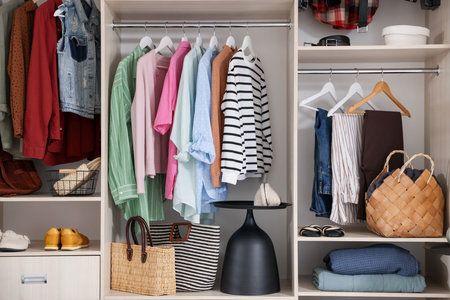
Custom Closets in Milton: Storage That Fits the Home
Core Custom Closets
The primary suites in Milton run big, and the closets attached to them almost never keep up. Custom closets in Milton usually begin with a walk-in that looks generous but works like a rod on three bare walls. The square footage is there; the system isn't. Our custom closet process starts by reading how you actually use the room.
What Milton Homes Get Right, and Wrong
The large-lot estates that went up across Milton and Crabapple in the 2000s came with tall ceilings and roomy walk-ins, then finished them with a single wire shelf and a rod. Look up. That leaves four feet of dead air above your head, and adjustable shelving to the top rail turns it into real seasonal storage. Vertical space is the whole opportunity here.
Double-Hang, Drawers, and a Real Island
A generous walk-in can carry more than most owners ask of it. Layout earns the room. Double-hang on one wall, a bank of soft-close drawers for folded knits, and a center island with a stone top for jewelry and folding all fit comfortably, and dovetailed drawer boxes hold up to daily use far better than stapled ones. It's the same layout logic behind our recent look at custom closets in Marietta, sized up for bigger rooms.
more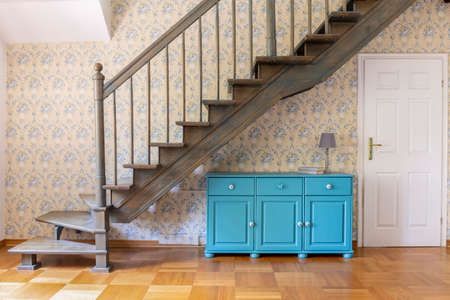
Under-Stair Storage Ideas That Turn Dead Space Into Function
Core Custom Closets
The triangle under a staircase is the most wasted footprint in most homes. Good under stair storage ideas start by measuring that wedge, because its sloped ceiling rewards a custom build and punishes anything bought off a shelf. From pull-out drawers to a tucked-in workspace, the right answer depends on the angle and the traffic around it. Our unique spaces gallery shows a few we've built.
Pull-Out Drawers Beat Deep Cabinets
The space under a stair runs deep and low, so a fixed cabinet buries whatever slides to the back. Depth is the enemy. Full-extension drawers on ball-bearing glides pull the entire contents into the light instead. Marine-grade or birch plywood handles the weight of shoes, tools, or pantry overflow without racking over time.
Match the Build to the Staircase Height
The slope decides what fits. The tall end near the top of the run holds a coat closet or a broom cabinet, while the low end suits drawers and cubbies. Our custom closet process starts with that exact measurement, because the ceiling angle changes every decision. This Old House catalogs dozens of ways to add storage to every room, and the under-stair wedge is one of the best.
more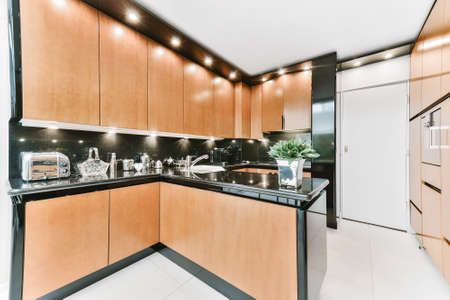
Custom Kitchen Cabinets in Atlanta: Built for How You Cook
Core Custom Closets
Drive through Brookhaven or Sandy Springs and you'll pass kitchens from six different decades in a single mile. Custom kitchen cabinets in Atlanta have to answer for all of them: the 1960s ranch with soffits, the 90s two-story with a cramped galley, the new build with nowhere to hide the microwave. Off-the-shelf boxes rarely fit those walls. Our kitchen and bath gallery shows what a tailored fit looks like.
Why Stock Cabinets Fight Atlanta Kitchens
Stock cabinets come in three-inch jumps, so they leave dead filler strips against every out-of-square wall. Fit beats filler. Older Atlanta plaster walls are almost never plumb, and a built-to-fit box closes those gaps and reaches the ceiling instead of collecting grease on top. The NKBA breaks down how construction quality and materials drive cabinet cost if you're weighing the investment.
Materials That Survive a Georgia Kitchen
Heat and humidity test everything in a kitchen. Spend where hands touch. Plywood boxes hold screws and resist the swelling that MDF shows near a dishwasher vent, and painted maple doors take daily wiping far better than thermofoil, which can peel over a hot range. Soft-close, dovetailed drawers outlast the stapled boxes on most big-box lines.
more
Reach-In Closet Ideas That Make a Small Closet Work Harder
Core Custom Closets
One rod, one shelf, and a door that barely closes. That's the reach-in most Atlanta homeowners inherit, and it's why smart reach in closet ideas matter more than raw square footage. A four-foot closet can hold a surprising amount when every inch has a job. See how the details come together in our custom closet gallery.
Double the Hanging Before You Do Anything Else
Most reach-ins waste the top third of the wall on a single rod. Height is free storage. Split one side into double-hang for shirts and folded-length pants, and keep the other single-hang for dresses and coats. Adjustable rods on powder-coated brackets let you tune those heights as your wardrobe shifts. This Old House lays out the principles of smart closet design if you want the measurements first.
Trade Wire Shelving for Adjustable Panels
Builder wire shelving sags, snags sweaters, and tips your shoe boxes. Wire sags; panels don't. Melamine or birch-plywood shelves on adjustable pins carry denim, knits, and bins flat and level. Adjustable shelving means you reset the spacing the day you buy taller boots. A sealed edge band matters here, because Georgia humidity is hard on cheap particleboard.
more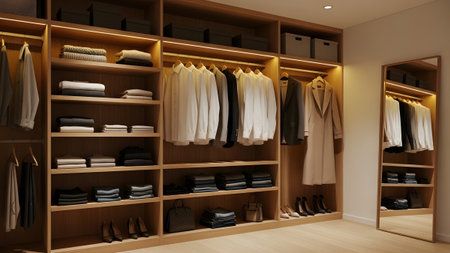
Custom Closets in Marietta: Designs Built for East Cobb Homes
Bob Pope
A homeowner off Roswell Road recently described her primary closet as a hallway with a rod in it. Nine feet long, two feet deep, one shelf, and forty years of accumulated wardrobe. Custom closets in Marietta usually start from a version of that story, because the housing stock here has a particular relationship with storage. You can see the range of what is possible in our custom closet gallery.
What Marietta Housing Stock Does to Closet Space
East Cobb built fast through the 1970s, 80s, and 90s. Those homes are generous with square footage and stingy with closets. The math rarely works.
Split-levels tend to have deep, dark reach-ins with a single high shelf. Later two-stories added a primary walk-in that is technically a room but functions as a rod on three walls. Older homes near the Marietta Square go the other direction: small closets, plaster walls, and ceilings that are not quite square. Each one needs a different answer.
Reach-In Closets Are Worth Rebuilding
Homeowners often skip the reach-ins and put the whole budget into the walk-in. That is usually backward.
more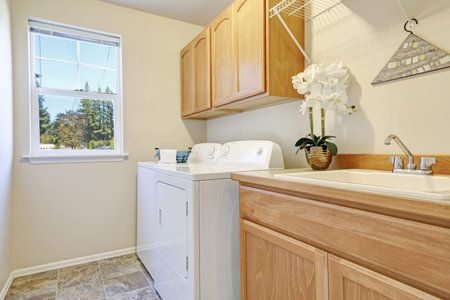
Laundry Room Cabinets: Turning a Chore Room Into a Workroom
Bob Pope
Walk into most laundry rooms and you will find the same scene: a wire shelf sagging over the machines, detergent on the dryer lid, and nowhere to fold. Laundry room cabinets fix all three at once, and the planning is more straightforward than people expect. Here is how the design comes together, step by step, and where Core Custom Closets starts.
Measure the Machines Before You Measure Anything Else
Cabinet layouts fail when the appliances change. Front-loaders on pedestals sit far taller than the same machines on the floor, and a new washer can be an inch deeper than the one it replaced.
Record height, width, depth with the door open, and the hose clearance behind. Then add two inches on each side. That buffer is what lets you swap appliances in eight years without cutting cabinetry. Measure twice; buy once.
A Folding Counter Changes the Whole Room
The single upgrade homeowners mention most after installation is a continuous counter. Folding standing up beats folding on a bed in another room. Nothing leaves the room.
Over front-loaders, a countertop at thirty-six to thirty-eight inches spans both machines and gives you a real surface. Quartz handles heat from a steam vent and wipes clean of detergent spills. If your machines are top-loading, a pull-out shelf beside them does the same job in less space. This Old House covers the core decisions in laundry room design if you want a second opinion before you commit.
more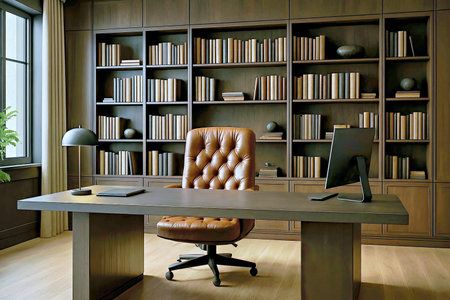
Home Office Cabinets That Keep Work From Taking Over the House
Bob Pope
The laptop closes at five, but the work does not disappear. Paper stacks migrate to the dining table, the printer lives on a chair, and the guest room slowly stops being a guest room. Home office cabinets solve that by giving every piece of your workday a door to close. Our office and work space designs are built around that boundary.
Closed Storage Is What Makes an Office Feel Like Home Again
Open shelving photographs beautifully and hides nothing. Real work generates binders, cables, tax folders, and half-used notepads.
A workable ratio is roughly two-thirds closed to one-third open. Put doors on everything below counter height and on at least one bank of uppers. Soft-close hinges matter more here than anywhere else in the house, because you will be shutting those doors on video calls. Quiet is a feature.
Build the Desk Into the Wall, Not Around It
A freestanding desk pushed against cabinetry wastes four to six inches on every side. Measure the wall first. An integrated desktop that runs wall to wall gives you that space back and makes a nine-by-ten bedroom feel like a real office.
more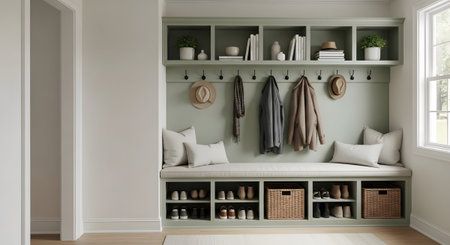
Mudroom Ideas That Hold Up to Georgia Weather and Daily Traffic
Bob Pope
Red clay on the soles, pollen on the jackets, a soccer bag parked in the hallway again. The best mudroom ideas start with that pile, not with a magazine photo. In most Atlanta homes the back door does the heavy lifting, so the six feet of wall behind it has to earn its keep. Our mudroom and utility built-ins are drawn around exactly that kind of traffic.
Start With a Bench That Stores More Than It Seats
A bench is the anchor of the room, and it should work twice. Sit down. Take shoes off. Underneath, open cubbies handle daily sneakers while a pair of soft-close drawers swallows the cleats and rain boots nobody wants on display.
Depth matters more than length here. Sixteen to eighteen inches gives an adult a comfortable seat without eating your walkway, and a solid maple or birch plywood seat panel will not sag after a decade of dropped backpacks. If you are weighing a bench against a full wall of lockers, our custom storage services page shows how both approaches get sized to the room.
more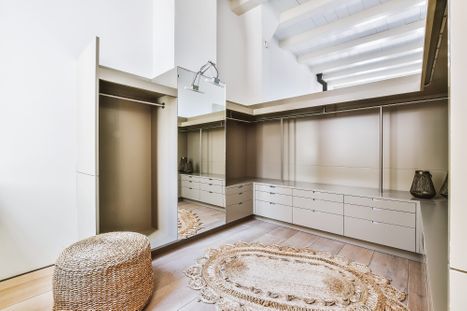
Custom Closets Alpharetta: What a Local Design Consult Looks Like
Bob Pope
The first 20 minutes of a design consult usually tell us more about a home than any set of measurements. Where does the light land in the morning? What's stuffed into the top shelf right now? Which drawer never closes all the way? Custom closets Alpharetta homeowners actually want almost always come out of those first questions, not from a catalog page. Here's what to expect when a Core designer walks through your home, and how the whole process fits the way modern Alpharetta houses are built. Our full custom closet process breaks the steps down in detail.
The Consult: What Happens in the First Hour
We start with your routine, not your square footage. A designer will ask about mornings, laundry cadence, seasonal wardrobes, and the little frustrations that led you to look at custom in the first place. The house tour that follows walks room by room. We measure hard-to-see corners, look at ceiling heights, check for load-bearing walls, and photograph the current storage from every angle.
None of this takes long. Most consults run 60 to 90 minutes. And it's free.
Why Alpharetta Homes Reward Custom Storage
more
Walk-In Pantry Ideas Atlanta Homeowners Actually Use
Bob Pope
The Costco run just landed, and there's nowhere for the paper towels. Cereal boxes are sideways on the counter. The kids can't reach their snacks without moving a step stool. Most pantries fall apart the same way, because they were built for storage, not for real family life. The walk in pantry ideas below fix the failure points, and every one of them can flex to fit your kitchen. Browse a few real builds in our kitchen and bath inspiration gallery to see how the details look up close.
Start With Zones, Not Shelves
The pantries that work long-term all share one habit. They're zoned by task. Baking supplies live together. Kids' snacks live where kids can grab them. Bulk paper products live somewhere they don't crowd the food. Once you zone the room, everything else falls into place.
Common zones we plan in Atlanta homes:
Baking and dry goods
Everyday snacks at kid height
Small appliance parking with outlets
Beverage and coffee bar
Bulk and overflow behind cabinet doors
more